Construction Safety: A Comprehensive Checklist
Safety Is Non-Negotiable
Construction is one of the most dangerous industries in the world. Falls, struck-by incidents, electrocutions, and caught-in/between accidents account for the vast majority of construction fatalities and injuries. The good news is that almost all construction accidents are preventable through proper planning, training, and the consistent use of personal protective equipment (PPE). This checklist covers the essential safety practices that every construction site should follow, whether you are a professional contractor or a weekend DIYer.
OSHA (Occupational Safety and Health Administration) standards apply to all construction sites with one or more employees. Even for homeowner projects, following these standards is smart practice. An injury costs far more in medical bills, lost wages, and pain than the time and money invested in safety equipment and precautions.

Personal Protective Equipment
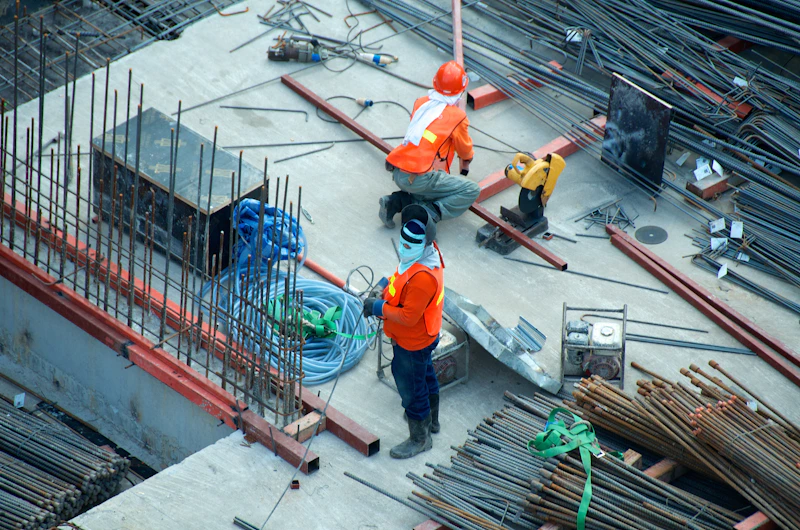
Hard hats are required on any construction site where there is a potential for head injury from falling objects, bumps, or electrical contact. Safety glasses or goggles protect against flying debris, dust, and chemical splashes. Hearing protection is necessary when noise levels exceed 85 decibels (about the level of a power saw at close range). Work gloves protect against cuts, abrasions, and chemical exposure.
Steel-toed or composite-toed boots protect against dropped objects and puncture wounds. High-visibility vests are required on any site with vehicle traffic. Respiratory protection (N95 masks or respirators) is needed when working with dust-producing materials like concrete, drywall, or fiberglass. Fall protection (harness, lanyard, and anchor point) is required for any work at heights above 6 feet in the construction industry.
Fall Prevention
Falls are the leading cause of construction fatalities, accounting for about 36% of all construction deaths. Use ladders properly: maintain three points of contact, set the base at the correct angle (1 foot out for every 4 feet of height), and extend the ladder at least 3 feet above the upper landing point. Inspect ladders before each use for cracks, bends, and loose rungs. Never stand on the top two rungs of a step ladder or the top three rungs of an extension ladder.
For work at height, scaffolding provides a more stable platform than ladders. Scaffolding must be erected on firm, level ground with base plates. All planking must be fully supported and secured against movement. Guardrails are required on any scaffold platform 10 feet or higher. Harness-based fall arrest systems are required for work above 6 feet when guardrails or nets are not in place.

Electrical Safety
Electrocution accounts for about 9% of construction fatalities. Look up and identify all power lines before starting any work. Maintain at least 10 feet of clearance from overhead power lines for equipment operating up to 50,000 volts. Use GFCI (Ground Fault Circuit Interrupter) protection for all temporary power connections and outdoor tools. Inspect all extension cords and power tools for damaged insulation, loose connections, and missing ground prongs before each use.
Never use metal ladders near electrical work. Lock out and tag out electrical panels and circuits before working on them. Keep the work area dry when working with electricity. If you must work in wet conditions, use GFCI protection and rubber-soled boots. Know the location of all electrical panels and shut-off points before starting work.